
Half Time
Photos and fun

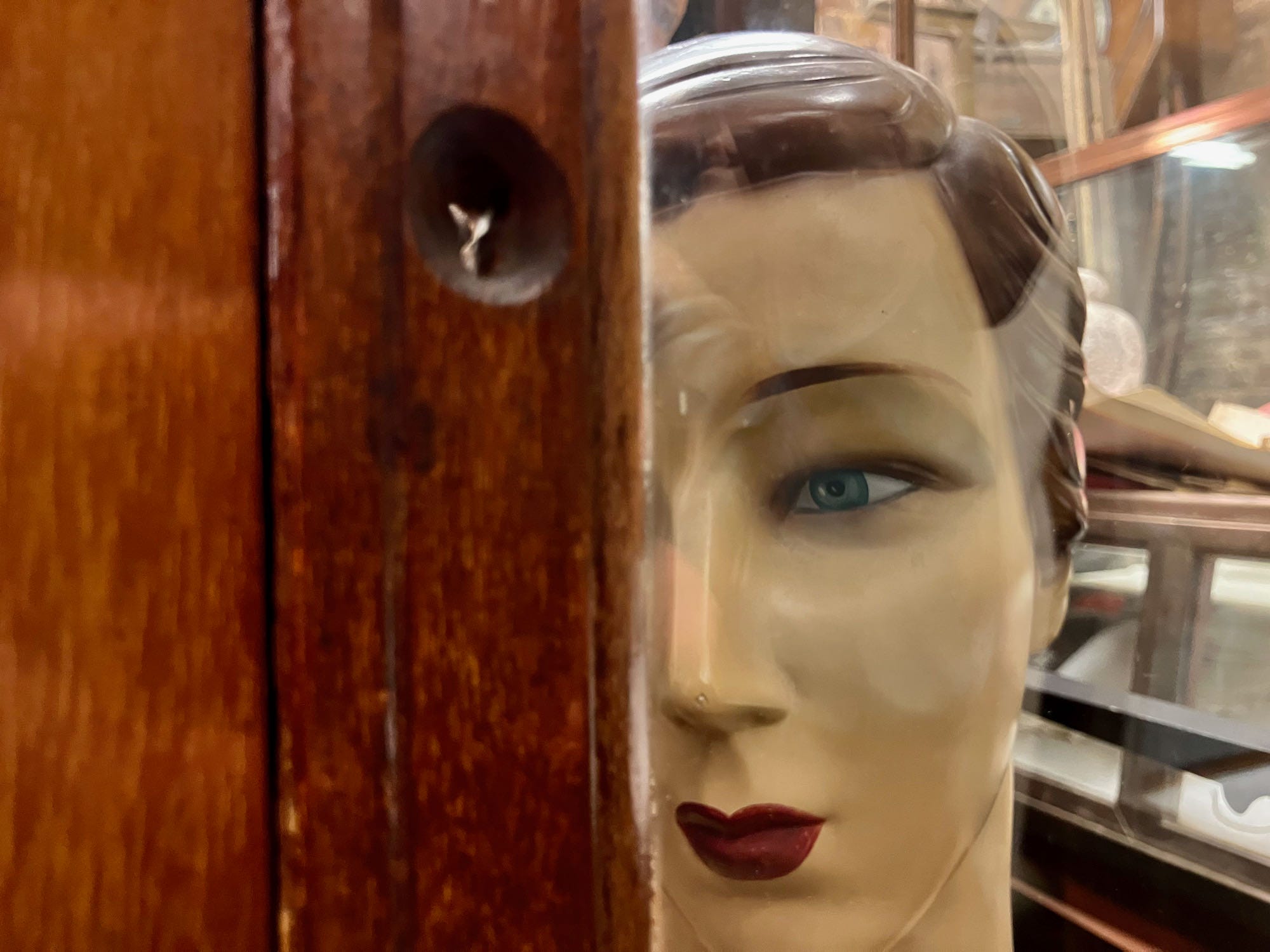
I like cameras. Lots of people like cameras. They can be very nice things.
As the people who make them and the people who sell them well know, they are desirable objects; things to be seen with. The box with a hole has evolved from struts, bellows and brass knobs through beautifully engineered blocks of metal to sleek and silky electronic devices. Like cars, much of their appeal lies beyond the function that gives them their form. A camera says something about the person who carries it.
I was reminded of this last week when an ad from Fujifilm for a digital half-frame camera popped up. It’s a boxy, vintage-looking thing that will have people asking questions of anyone out and about with it. “Is that a film camera?” “No, but it thinks it is.”
Many digital cameras take their design cues from their film-era equivalents. Mostly this is because the ergonomics of the camera have already been refined in such a way that particular shapes and weights of material, as well as technical imperatives, fit the purpose of taking photographs.
But there’s more to it than that with this product in particular. Apart from being a bit of fun, its basic premise is redundant for reasons I’ll come to later. It must be aimed at people who want to look as if they know their way around a film camera or want to bask in a nostalgic recall of one of photography’s less-visited byways.
I get that cameras are not just tools for hardened professionals or conduits for earnest artists, they are also great play things. And playing with any medium can be creatively liberating. To break the rules or deliberately hamper your ability to stick to them can bring about new forms and new understanding. Perfectly competent photographers have often enjoyed subverting their instincts and training, just to see what happens. Flashing the light on and off in the darkroom to solarise a print, cross-processing transparency and negative film stock to get strange colour shifts, putting an SX70 Polaroid in your armpit and pushing the warmed emulsion about with your finger – all great fun.
Digital photography is now so technologically confident that cameras and phones come pre-packed with menu items that cater for ‘fun’. But text overlay, stickers, filters and the rest offer a sterile, prescribed sort of amusement. Which may be why today’s fun-seekers look to analogue photography; good, old-fashioned film and the astonishing array of vintage cameras it can be put through.
Probably the most enduring analogue playground has been the Lomography movement, which prides itself on the use of ‘toy’ cameras with basic lenses. Lomography started out as early as 1992, in the infancy of digital photography. As such, its original subversion was not of what digital photography promised, but of the high-spec instruments that analogue cameras had become. Dodgy resolution, odd colour fringing, an inability to cope with high contrast scenes and lens flare were all embraced as a snub to the Nikon and the Leica with their multi-coated precision optics.
Like many ostensibly rebellious movements, though, Lomography has morphed into a pretty substantial business. With its manifestos and its slogan-etched cameras (“Everybody is Equal Before the Lens and Behind it” appears on the top plate of its latest model) it has appealed to revolutionaries and found a lucrative market.
For many people, there’s a pleasing, human quality about the imperfections such cameras and techniques infuse into the photographic image. There’s something impersonal about the pristine, beautifully post-processed work that so often wins international prizes, even when the actual images are of very human scenes. Giving the surface of a photograph doubt and uncertainty creates an information deficit that the imagination is left to fill. It’s seen as intrinsically ‘artistic’.
For the citizen artists of Lomography, loading and unloading film rolls and handling negatives, even if only to scan them into the digital ether, is more grounding than the quick click and review of modern cameras and phones. And they man the barricades with some of the coolest retro-styled gear you can imagine from the well-stocked Lomography shop – gear that tells the world they are a bit quirky and out-there.
Analogue photography still covers the range from fun to serious artistic intent and its persistence is a really good thing. Digital imaging technologies make most sense to those who understand the fundamentals of photography; the relationship between light and time that analogue technology makes physical. But I can’t understand where Fuji’s half-frame digital camera fits in.
The half-frame is a specifically film-based concept that has no equivalent in the digital world. It was a way of economising on film stock by allowing twice as many frames on a roll. There was nothing new in that idea, given that 35mm film was itself originally produced by cutting 70mm cine stock in half.
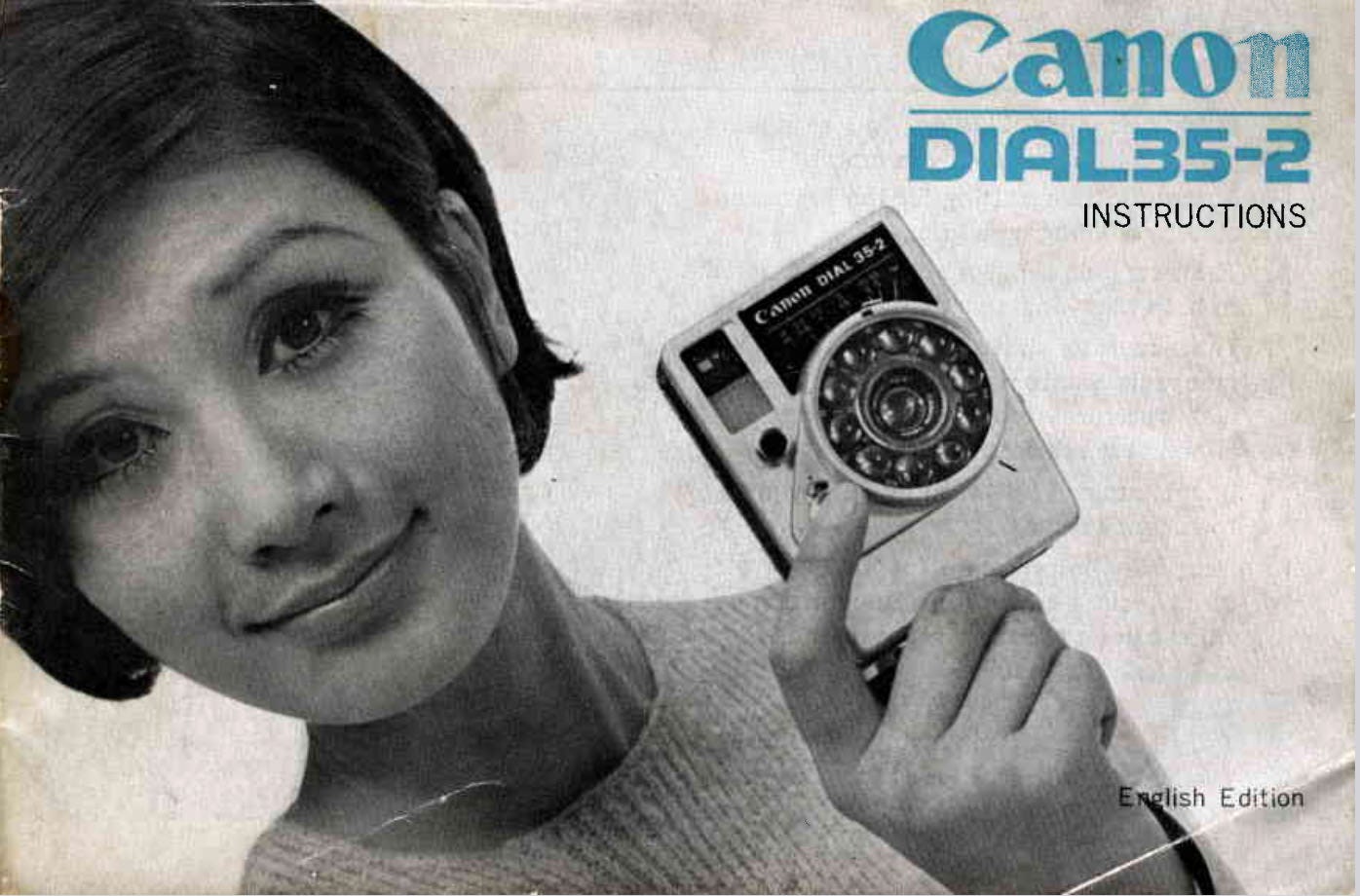
Camera manufacturers produced a range of really rather natty half-frame products during the 1960s and 70s. But it was a concept that didn’t quite work in commercial terms. The saving on film stock was offset by paying for twice as many prints and the image quality was only half as good as the full frame. In the end, its main attraction was the format that was created when the full 35 mm frame (36x24mm) was masked in half to produce a portrait (18x24mm) negative.
This led to a mini-genre of making dyptichs - paired images, one for each half of the 35mm frame, that would ideally resonate with one another. There has been plenty of interesting work done that way, but it is something that can just as easily be achieved using digital equipment, or full-frame 35mm for that matter.
It makes me wonder what the market research for the Fuji half-frame digital camera uncovered; what eager cohort the product was developed to satisfy. The company has already had a lot of success with its line of well-made fixed-lens cameras that look at a quick glance as if they should be loaded with film. But these are very fine instruments that meet the needs of dedicated photographers. Maybe, the success of the respected X100 series was misunderstood to be only about the appearance of the cameras and a plunge was taken further down the road of nostalgia. This half-frame has a wind-on lever as if it needed to transport film and an effects filter that gives the impression of 35mm sprocket hole fogging. Not only that, but you can output your digital files from the camera to your phone where they will appear slowly onto your screen as if coming through in the developer. At around £600 a go, that’s not a toy - it’s just an expensive way to cos-play analogue.
History Corner
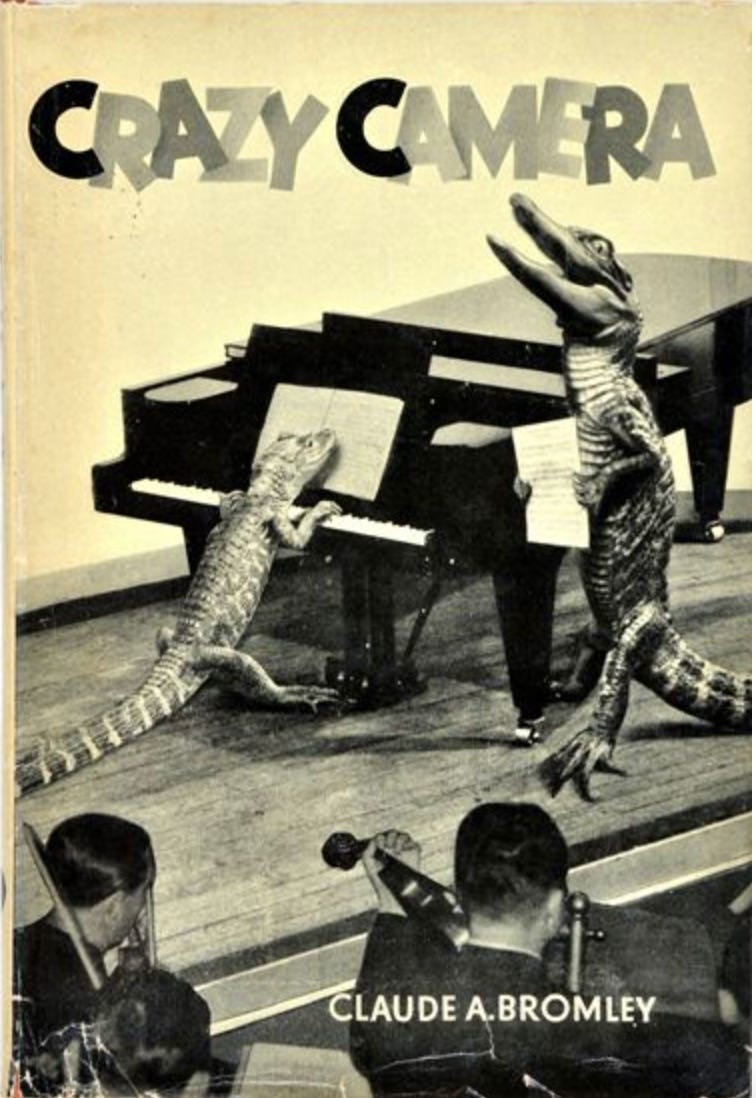
In the bleak days of the early 1940s, it was all hands to the pump on the Home Front. Everything was bent to, and coloured by, the all-engulfing war. This book was put out in 1941 by “The Crazy Photographer” of London Opinion and The Strand Magazine, aka Claude Bromley. It was a time of self-sufficiency and yards of blackout material that must have served in thousands of home darkrooms.
Claude’s Crazy Camera encouraged people to have fun with their hobby through the medium of photomontage. It is essentially a how-to book in which the techniques for masking and combining negatives projected onto the enlarging easel are clearly shown. Each image in the book has an explanation using schematic sketches of how it was achieved.
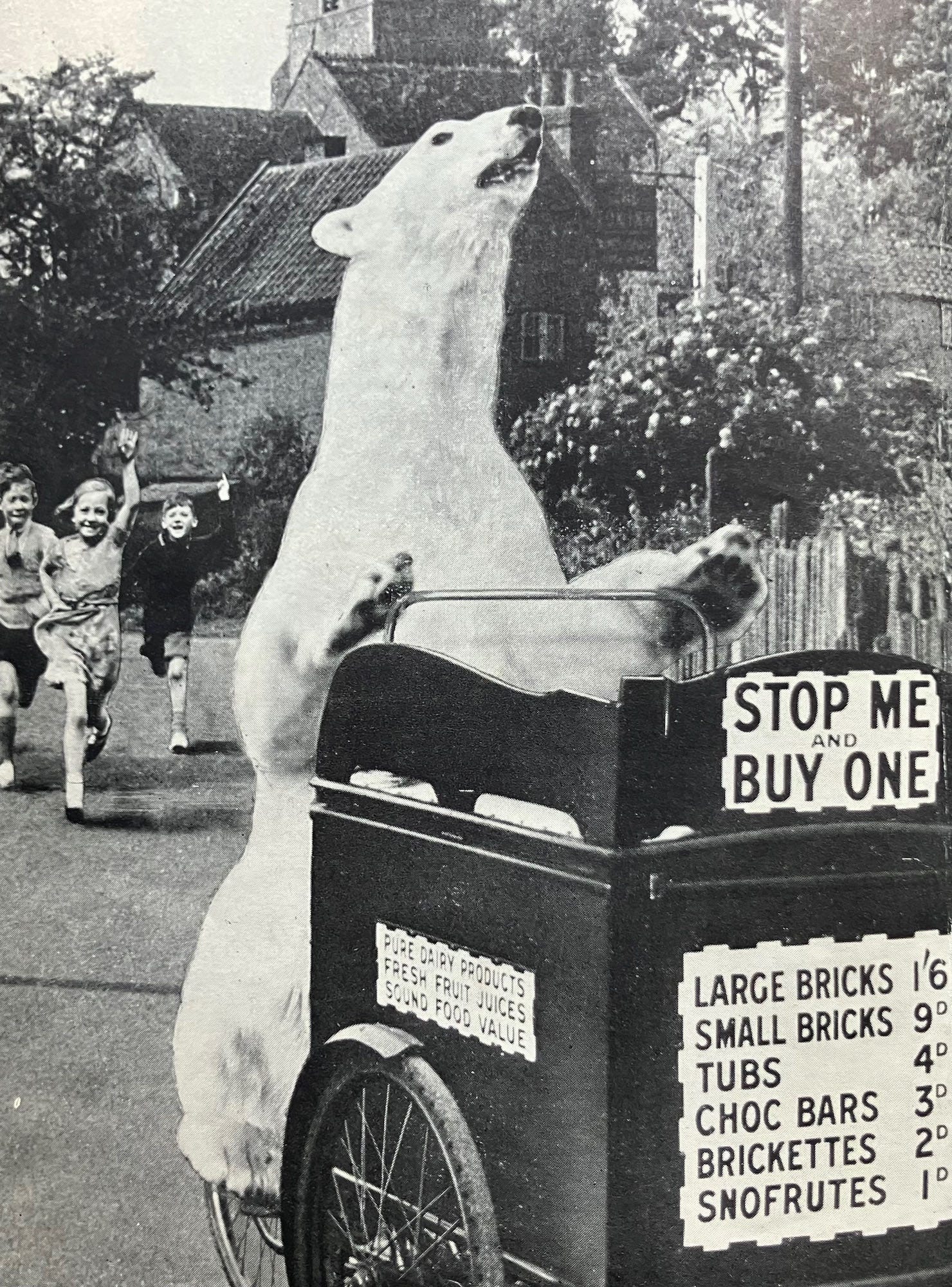
The ideas range from a polar bear selling ice creams from a tricycle to a troop of can-can dancers high stepping in Trafalgar square. And there are one or two gentle propaganda efforts: a Royal Horse Guard in full splendour sitting on top of a tank; Hitler’s face substituted for that of Napoleon in a reproduction of a well-known 19th-century painting of the Frenchman as a prisoner of the British.
It’s a book for the amusement of the general amateur photographic public and a domestic distraction from the bombs and the rationing. In Germany, John Heartfield had spent the 1930s using photomontage to become a constant irritant to Hitler and his Nazis as they progressed to power. Some of Claude Bromley’s work here is almost a gentle homage to Heartfield, but this is really a book more about fun than satire.
And finally…
Here’s some uncharacteristically positive advice for a reader called F. G. H. from The Critic in the February 1901 issue of Practical and Junior Photographer…
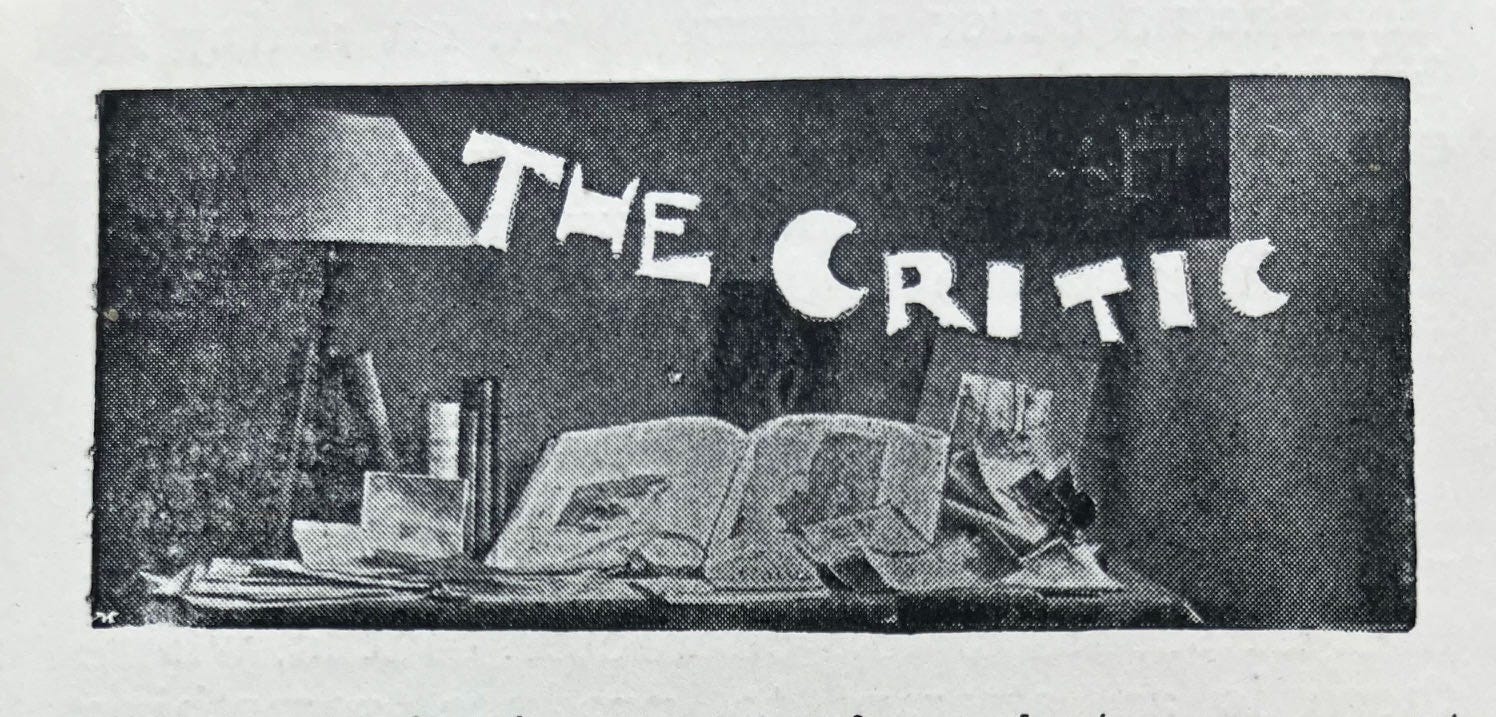
“F. G. H. - This is a pretty spot, and with a good sky printed in, half an inch trimmed off the bottom and a little faking, it should make a pleasant thing.”
Like you, I don’t understand the Fuji half frame camera or the pricing of the Pentax 17. You can pick up the best half frame camera ever made, the Olympus Pen FT, for about £250.